Sea-Creatures-Detection Computer Vision Dataset
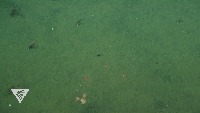
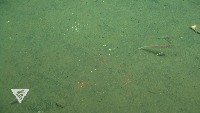
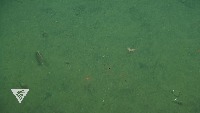
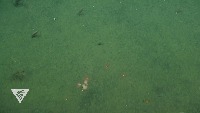
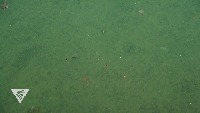
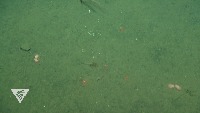
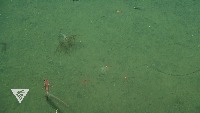

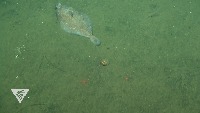
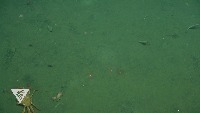

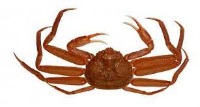
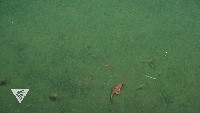

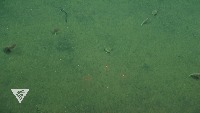
About Sea-Creatures-Detection Dataset
Here are a few use cases for this project:
-
Marine Life Conservation: Researchers involved in marine life conservation can utilize the "Sea-Creatures-Detection" model to identify and monitor the population and health of different sea creatures like sea-pens, rock-fish, crabs, or seastars. They can check on endangered species or invasive ones, assisting in the evaluation and maintenance of the overall marine ecosystem.
-
Undersea Exploration: Oceanographers and marine biologists can use this model during their undersea explorations. It can help in identifying previously unknown species or creatures that are hard to distinguish, such as flat-fish that blend in with the seafloor, or creatures that look similar like starfish and brittle-stars.
-
Fishery Management: The fishing industry can benefit from this model by being able to identify the types of fish in their capture, minimizing bycatch, and improving fishing methods. This can contribute to more sustainable fisheries management.
-
Aquarium Maintenance and Care: Aquarium owners, aquaponics enthusiasts, and zookeepers can use this model to monitor the sea creatures in their care. The model can help in identifying any new-born creatures in the tank, monitor the well-being of resident animals, and distinguish between similar-looking species.
-
Educational Tools: The model can be integrated into educational tools or apps used for teaching marine biology. This can help students identify different sea creatures, understand their habitat and behaviors, and foster an appreciation for marine life. Besides, it can also assist in the creation of interactive marine life databases or field guides.
Use Free Crab, Anemone and Barnacle Detection API
Powered by general detection model
pip install inference-sdk# 1. Import the library
from inference_sdk import InferenceHTTPClient
# 2. Connect to your workspace
client = InferenceHTTPClient(
api_url="https://serverless.roboflow.com",
api_key="API_KEY"
)
# 3. Run your workflow on an image
result = client.run_workflow(
workspace_name="<YOUR_WORKSPACE>",
workflow_id="<YOUR_WORKFLOW_ID>",
images={
"image": "YOUR_IMAGE.jpg" # Path to your image file
},
parameters={
"classes": "crab, anemone, barnacle, brittle-star, crab_size"
},
use_cache=True # cache workflow definition for 15 minutes
)
# 4. Get your results
print(result)Run on custom image
Drop an image here or click to upload
Tell the agent what you want to build.
Cite This Project
LicenseCC BY 4.0If you use this dataset in a research paper, please cite it using the following BibTeX:
@misc{ sea-creatures-detection_dataset,
  title = { Sea-Creatures-Detection Dataset },
  type = { Open Source Dataset },
  author = { Raghad Abo El-Eneen },
  howpublished = { \url{ https://universe.roboflow.com/raghad-abo-el-eneen/sea-creatures-detection } },
  url = { https://universe.roboflow.com/raghad-abo-el-eneen/sea-creatures-detection },
  journal = { Roboflow Universe },
  publisher = { Roboflow },
  year = { 2022 },
  month = { jan },
  note = { visited on 2026-07-29 },
}