Buildings Instance Segmentation Computer Vision Model
How to use the Buildings Instance Segmentation Segmentation API
Try This Model
Drop an image here or click to upload
Code Snippets
from inference_sdk import InferenceHTTPClient

CLIENT = InferenceHTTPClient(
    api_url="https://serverless.roboflow.com",
    api_key="API_KEY"
)

result = CLIENT.infer("YOUR_IMAGE.jpg", model_id="buildings-instance-segmentation-6gnuh/1")Or, Use Free Building Detection API
Powered by general detection model
pip install inference-sdk# 1. Import the library
from inference_sdk import InferenceHTTPClient
# 2. Connect to your workspace
client = InferenceHTTPClient(
api_url="https://serverless.roboflow.com",
api_key="API_KEY"
)
# 3. Run your workflow on an image
result = client.run_workflow(
workspace_name="<YOUR_WORKSPACE>",
workflow_id="<YOUR_WORKFLOW_ID>",
images={
"image": "YOUR_IMAGE.jpg" # Path to your image file
},
parameters={
"classes": "Building"
},
use_cache=True # cache workflow definition for 15 minutes
)
# 4. Get your results
print(result)Run on custom image
Drop an image here or click to upload









About Buildings Instance Segmentation Model
Here are a few use cases for this project:
-
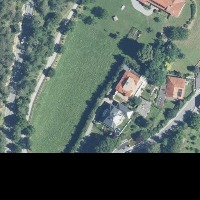
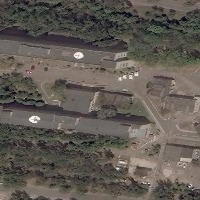
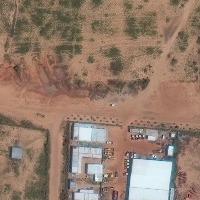
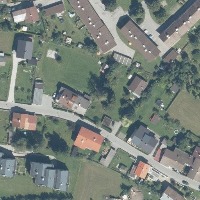
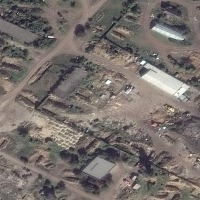
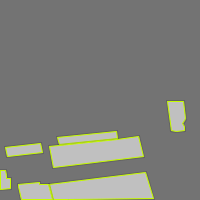
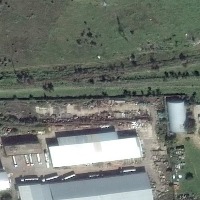
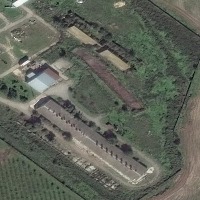
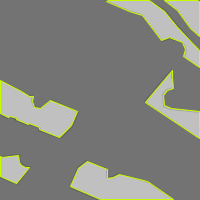
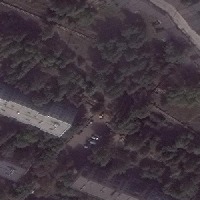
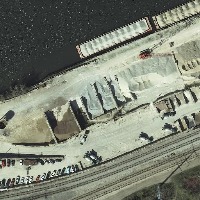
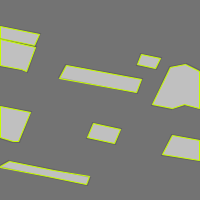
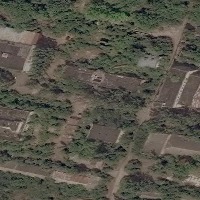
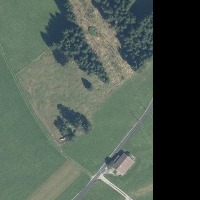
Urban Planning and Development: Utilizing the "Buildings Instance Segmentation" model to analyze aerial images of a city, urban planners can identify different types of buildings and their distribution to make informed decisions about zoning, infrastructure, and future developments.
-
Damage Assessment and Emergency Response: In the aftermath of natural disasters, the model can be used to analyze aerial images to quickly identify damaged or destroyed buildings, helping emergency responders prioritize rescue efforts and allocate resources more efficiently.
-
Real Estate Market Analysis: Real estate professionals can use the model to analyze aerial views of neighborhoods, identifying different types of buildings and their locations to offer better insights into neighborhood characteristics and trends for potential property buyers.
-
Energy Efficiency and Environmental Impact Analysis: By identifying different building classes and their distribution, researchers can evaluate energy consumption patterns and develop strategies for improving energy efficiency and reducing the environmental impact in urban areas.
-
Historical Preservation and Cultural Heritage: The model can be employed to identify and track the presence of culturally significant or historically important buildings for preservation efforts, ensuring their protection and integration into urban development plans.
Tell the agent what you want to build.
Cite This Project
LicenseCC BY 4.0If you use this dataset in a research paper, please cite it using the following BibTeX:
@misc{ buildings-instance-segmentation-6gnuh_dataset,
  title = { Buildings Instance Segmentation Dataset },
  type = { Open Source Dataset },
  author = { MMUAI },
  howpublished = { \url{ https://universe.roboflow.com/mmuai/buildings-instance-segmentation-6gnuh } },
  url = { https://universe.roboflow.com/mmuai/buildings-instance-segmentation-6gnuh },
  journal = { Roboflow Universe },
  publisher = { Roboflow },
  year = { 2025 },
  month = { mar },
  note = { visited on 2026-07-29 },
}