Maize 001 Computer Vision Model
How to use the Maize 001 Detection API
Try This Model
Drop an image here or click to upload
Code Snippets
from inference_sdk import InferenceHTTPClient

CLIENT = InferenceHTTPClient(
    api_url="https://serverless.roboflow.com",
    api_key="API_KEY"
)

result = CLIENT.infer("YOUR_IMAGE.jpg", model_id="maize-001/2")Or, Use Free Maize Detection API
Powered by general detection model
pip install inference-sdk# 1. Import the library
from inference_sdk import InferenceHTTPClient
# 2. Connect to your workspace
client = InferenceHTTPClient(
api_url="https://serverless.roboflow.com",
api_key="API_KEY"
)
# 3. Run your workflow on an image
result = client.run_workflow(
workspace_name="<YOUR_WORKSPACE>",
workflow_id="<YOUR_WORKFLOW_ID>",
images={
"image": "YOUR_IMAGE.jpg" # Path to your image file
},
parameters={
"classes": "maize"
},
use_cache=True # cache workflow definition for 15 minutes
)
# 4. Get your results
print(result)Run on custom image
Drop an image here or click to upload


About Maize 001 Model
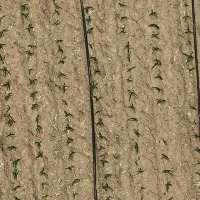
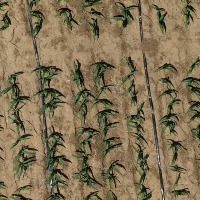
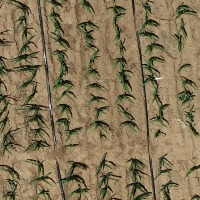
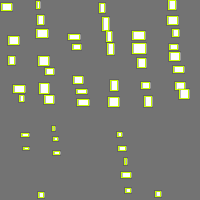
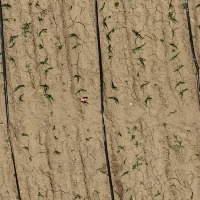
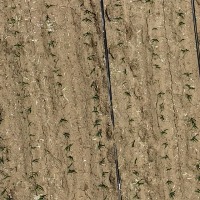
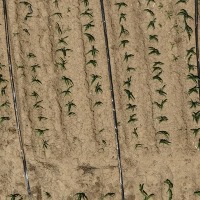
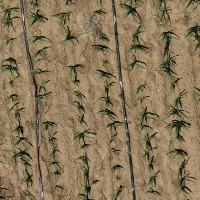
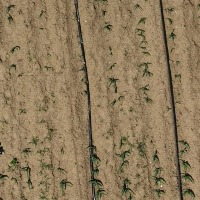
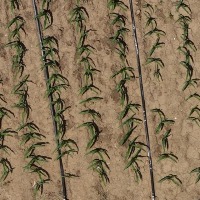
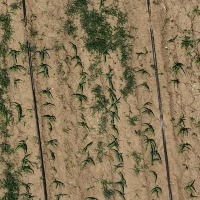
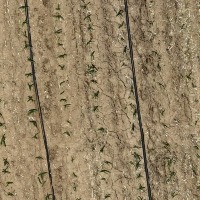
Project Overview: This project utilizes a dataset created from ortho-rectified imagery of maize seedlings captured by drones. It is designed to be applicable for training tasks in the field of close-range remote sensing, particularly for the detection of maize seedlings at various growth stages. The model of the UAV is the DJI Mavic 3M. The imagery was captured at the Jinan branch of the National Maize Improvement Center.
Class Descriptions: The dataset includes only one class type, which is maize.
Author: Shulei Zhu
Tell the agent what you want to build.
Cite This Project
LicenseCC BY 4.0If you use this dataset in a research paper, please cite it using the following BibTeX:
@misc{ maize-001_dataset,
  title = { Maize 001 Dataset },
  type = { Open Source Dataset },
  author = { maize },
  howpublished = { \url{ https://universe.roboflow.com/maize-pjuvu/maize-001 } },
  url = { https://universe.roboflow.com/maize-pjuvu/maize-001 },
  journal = { Roboflow Universe },
  publisher = { Roboflow },
  year = { 2024 },
  month = { may },
  note = { visited on 2026-07-29 },
}