Sign Language BISINDO Computer Vision Model
How to use the Sign Language BISINDO Detection API
Try This Model
Drop an image here or click to upload
Code Snippets
from inference_sdk import InferenceHTTPClient

CLIENT = InferenceHTTPClient(
    api_url="https://serverless.roboflow.com",
    api_key="API_KEY"
)

result = CLIENT.infer("YOUR_IMAGE.jpg", model_id="sign-language-bisindo-vsmfa/1")Or, Use Free A, B and C Detection API
Powered by general detection model
pip install inference-sdk# 1. Import the library
from inference_sdk import InferenceHTTPClient
# 2. Connect to your workspace
client = InferenceHTTPClient(
api_url="https://serverless.roboflow.com",
api_key="API_KEY"
)
# 3. Run your workflow on an image
result = client.run_workflow(
workspace_name="<YOUR_WORKSPACE>",
workflow_id="<YOUR_WORKFLOW_ID>",
images={
"image": "YOUR_IMAGE.jpg" # Path to your image file
},
parameters={
"classes": "A, B, C, D, E"
},
use_cache=True # cache workflow definition for 15 minutes
)
# 4. Get your results
print(result)Run on custom image
Drop an image here or click to upload

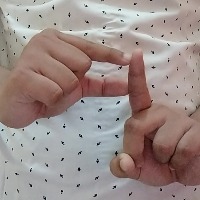

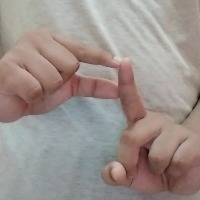





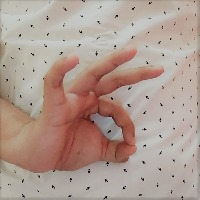



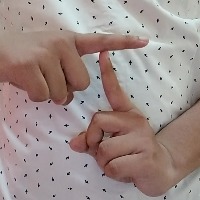








About Sign Language BISINDO Model
Here are a few use cases for this project:
-
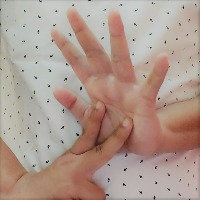
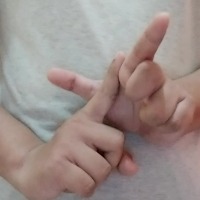
Accessible Communication Application: The model could be used within an application that translates BISINDO (Indonesian Sign Language) for the deaf and hard of hearing. The app would interpret the user's hand gestures and convert them into written or spoken language, helping to bridge communication gaps.
-
Real-time Translator for Educational Purposes: The model could be integrated into virtual classrooms or e-learning platforms to provide real-time translations of teacher's sign language into written text, improving accessibility for deaf or hard-of-hearing students.
-
Silent Command Interface: This model could be used within software or hardware applications as a silent command interface. Users could manipulate systems or apps using specific hand gestures, useful in environments where silence is required or where voice commands are impractical.
-
Interactive Learning for Sign Language: An interactive sign language learning program could use the model to provide real-time feedback to users learning BISINDO. The system could identify and correct a user's hand gestures to aid in their learning process.
-
Assistive Technology in Public Services: This model could be implemented in public information systems, such as kiosks or ATMs, providing sign language interface option for those who rely on sign language for communication. This way, content could be made more accessible for everyone.
Tell the agent what you want to build.
Cite This Project
LicenseCC BY 4.0If you use this dataset in a research paper, please cite it using the following BibTeX:
@misc{ sign-language-bisindo-vsmfa_dataset,
  title = { Sign Language BISINDO Dataset },
  type = { Open Source Dataset },
  author = { CV },
  howpublished = { \url{ https://universe.roboflow.com/cv-yjopp/sign-language-bisindo-vsmfa } },
  url = { https://universe.roboflow.com/cv-yjopp/sign-language-bisindo-vsmfa },
  journal = { Roboflow Universe },
  publisher = { Roboflow },
  year = { 2023 },
  month = { aug },
  note = { visited on 2026-07-29 },
}