Colony Counter Computer Vision Model
How to use the Colony Counter Detection API
Try This Model
Drop an image here or click to upload
Code Snippets
from inference_sdk import InferenceHTTPClient

CLIENT = InferenceHTTPClient(
    api_url="https://serverless.roboflow.com",
    api_key="API_KEY"
)

result = CLIENT.infer("YOUR_IMAGE.jpg", model_id="colony-counter-0ltmm/2")Or, Use Free Colony Detection API
Powered by general detection model
pip install inference-sdk# 1. Import the library
from inference_sdk import InferenceHTTPClient
# 2. Connect to your workspace
client = InferenceHTTPClient(
api_url="https://serverless.roboflow.com",
api_key="API_KEY"
)
# 3. Run your workflow on an image
result = client.run_workflow(
workspace_name="<YOUR_WORKSPACE>",
workflow_id="<YOUR_WORKFLOW_ID>",
images={
"image": "YOUR_IMAGE.jpg" # Path to your image file
},
parameters={
"classes": "colony"
},
use_cache=True # cache workflow definition for 15 minutes
)
# 4. Get your results
print(result)Run on custom image
Drop an image here or click to upload









About Colony Counter Model
Here are a few use cases for this project:
-
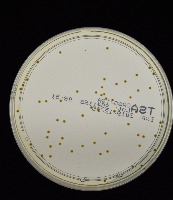
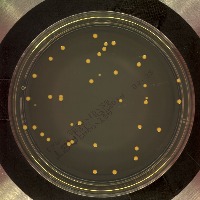
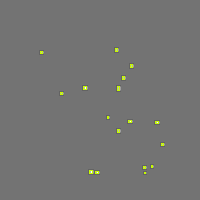
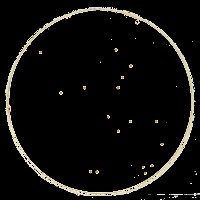
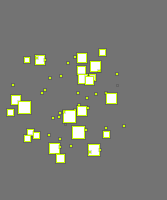
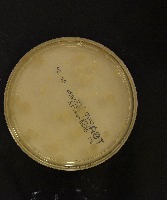
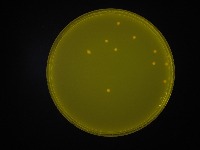
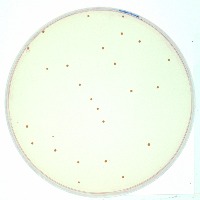
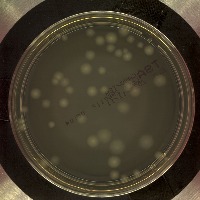
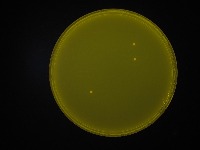
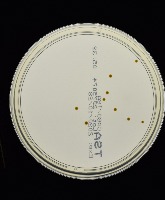
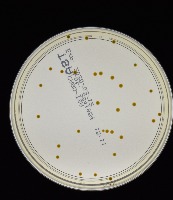
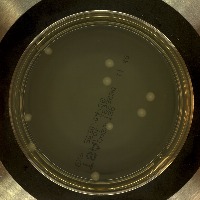
Bacterial Colony Identification: Researchers and lab technicians can use the Colony Counter model to automatically identify and count different types of bacterial colonies grown on agar plates. This can save time and improve accuracy in experiments involving microbiology, healthcare, and pharmaceutical industries.
-
Ecology and Wildlife Monitoring: Using the Colony Counter model on aerial or satellite images, ecologists and conservationists can identify and count the density of various species or habitats like bird colonies, plant distribution patterns, or nesting sites in a given area.
-
Industrial Quality Control: Manufacturers can utilize the Colony Counter model for quality control on products that contain a pattern of features, like in the case of inspecting printed circuit boards for missing components or identifying defects in materials such as textile, ceramics, or metal alloys.
-
Cell Biology Research: The Colony Counter model can assist in analyzing cell culture images from in-vitro cell assays and colony formation assays to identify cell types, growth patterns or quantify cell proliferation in various experimental settings, thus advancing cell biology and related medical research.
-
Astronomy: Scientists can employ the Colony Counter model to identify and classify celestial objects in astronomy imagery, such as star clusters, galaxies or nebulae, to study their formation, evolution, and distribution patterns in the cosmos.
Tell the agent what you want to build.
Cite This Project
LicenseMITIf you use this dataset in a research paper, please cite it using the following BibTeX:
@misc{ colony-counter-0ltmm_dataset,
  title = { Colony Counter Dataset },
  type = { Open Source Dataset },
  author = { Colony count },
  howpublished = { \url{ https://universe.roboflow.com/colony-count/colony-counter-0ltmm } },
  url = { https://universe.roboflow.com/colony-count/colony-counter-0ltmm },
  journal = { Roboflow Universe },
  publisher = { Roboflow },
  year = { 2023 },
  month = { jun },
  note = { visited on 2026-07-29 },
}