wx_2 Computer Vision Dataset





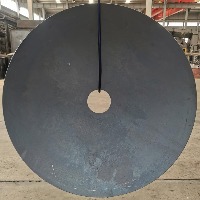

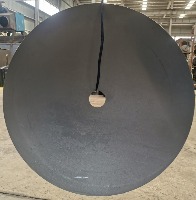
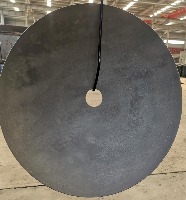



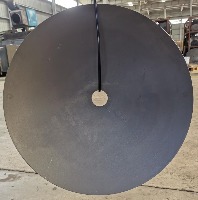
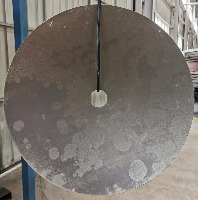
About wx_2 Dataset
Here are a few use cases for this project:
-
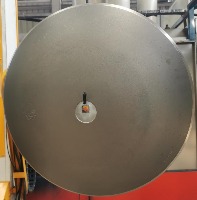
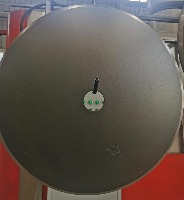
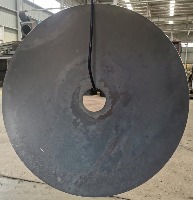
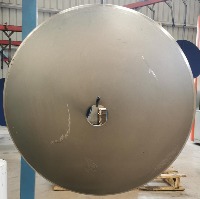
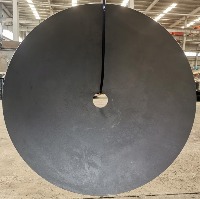
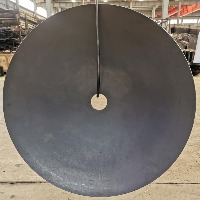
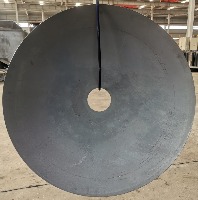
Quality Control in Manufacturing: "wx_2" can be used in manufacturing processes to identify scratches or defects on metal parts. Automating this inspection can drastically improve the efficiency and accuracy of quality control.
-
Metal Recycling: The model could be used to aid in the classification process at metal recycling centers. By identifying the class of metal and any scratches present, the software could assist in sorting metals more accurately for better reusability.
-
Art and Historical Restoration: Restoration experts might use "wx_2" to identify and study scratches on metal-based artworks or historic objects. This could aid in better understanding of the object's history and guide the restoration process.
-
Automotive Industry: This application could be used to scan for scratches on vehicle parts during the production or repair processes. It could also be used in second-hand vehicle trade to evaluate the condition of used vehicles.
-
Archaeological Research: "wx_2" can be utilized by archaeologists to analyze metallic artifacts, providing invaluable information related to the metal class and any scratches present, which can aid in estimating age or historical use.
Use Free Scratch Detection API
Powered by general detection model
pip install inference-sdk# 1. Import the library
from inference_sdk import InferenceHTTPClient
# 2. Connect to your workspace
client = InferenceHTTPClient(
api_url="https://serverless.roboflow.com",
api_key="API_KEY"
)
# 3. Run your workflow on an image
result = client.run_workflow(
workspace_name="<YOUR_WORKSPACE>",
workflow_id="<YOUR_WORKFLOW_ID>",
images={
"image": "YOUR_IMAGE.jpg" # Path to your image file
},
parameters={
"classes": "scratch"
},
use_cache=True # cache workflow definition for 15 minutes
)
# 4. Get your results
print(result)Run on custom image
Drop an image here or click to upload
Tell the agent what you want to build.
Cite This Project
LicenseCC BY 4.0If you use this dataset in a research paper, please cite it using the following BibTeX:
@misc{ wx_2_dataset,
  title = { wx_2 Dataset },
  type = { Open Source Dataset },
  author = { wx_dl },
  howpublished = { \url{ https://universe.roboflow.com/wx_dl/wx_2 } },
  url = { https://universe.roboflow.com/wx_dl/wx_2 },
  journal = { Roboflow Universe },
  publisher = { Roboflow },
  year = { 2022 },
  month = { jul },
  note = { visited on 2026-07-29 },
}