buoy Computer Vision Model
How to use the buoy Detection API
Try This Model
Drop an image here or click to upload
Code Snippets
from inference_sdk import InferenceHTTPClient

CLIENT = InferenceHTTPClient(
    api_url="https://serverless.roboflow.com",
    api_key="API_KEY"
)

result = CLIENT.infer("YOUR_IMAGE.jpg", model_id="buoy-op5wz/4")Or, Use Free Boat, Buoy and Buoy Detection API
Powered by general detection model
pip install inference-sdk# 1. Import the library
from inference_sdk import InferenceHTTPClient
# 2. Connect to your workspace
client = InferenceHTTPClient(
api_url="https://serverless.roboflow.com",
api_key="API_KEY"
)
# 3. Run your workflow on an image
result = client.run_workflow(
workspace_name="<YOUR_WORKSPACE>",
workflow_id="<YOUR_WORKFLOW_ID>",
images={
"image": "YOUR_IMAGE.jpg" # Path to your image file
},
parameters={
"classes": "boat, Buoy, buoy, speed-boat, vessel"
},
use_cache=True # cache workflow definition for 15 minutes
)
# 4. Get your results
print(result)Run on custom image
Drop an image here or click to upload





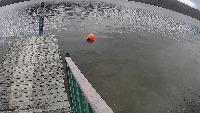

About buoy Model
Here are a few use cases for this project:
-
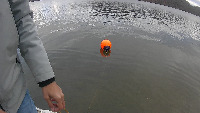
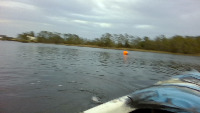
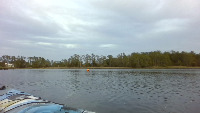
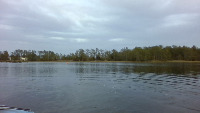
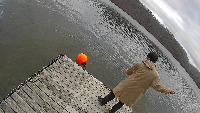
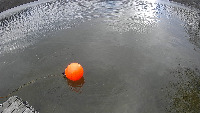
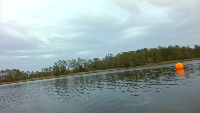
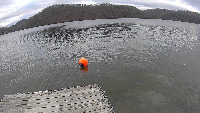
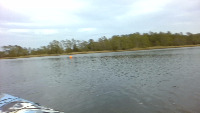
Maritime Safety and Navigation: The "buoy" computer vision model can be used in navigational applications to help sailors, boaters, and maritime authorities identify different types of buoys to ensure safe passage, follow shipping lanes, and avoid hazards in waterways.
-
Autonomous Surface Vehicles (ASVs) and Drones: Integrating the "buoy" model into the guidance systems of autonomous surface vehicles and drones could help these devices navigate waterways more accurately by detecting and classifying buoys, allowing them to make informed decisions based on the purpose of each buoy.
-
Environmental Monitoring and Research: Researchers studying marine ecosystems could use the "buoy" model to identify particular buoys that are equipped with sensors for tracking water quality, currents, and meteorological conditions. This would facilitate locating and analyzing the data collected from these buoys.
-
Buoy Maintenance and Inspection: Coastguard and maintenance organizations can leverage the "buoy" model to efficiently identify and track buoys requiring maintenance or replacement, such as damaged or malfunctioning navigation aids, ensuring better overall management of buoy systems.
-
Watersports and Sporting Events: Event organizers and participants in watersports like kayaking, sailing, or rowing races can use the "buoy" model to accurately identify race markers, turning points, and other event-relevant buoys. The model can help plan and follow courses, ensuring competitors adhere to race rules and improving safety during the event.
Tell the agent what you want to build.
Cite This Project
LicenseCC BY 4.0If you use this dataset in a research paper, please cite it using the following BibTeX:
@misc{ buoy-op5wz_dataset,
  title = { buoy Dataset },
  type = { Open Source Dataset },
  author = { SailBot },
  howpublished = { \url{ https://universe.roboflow.com/sailbot-5c9lp/buoy-op5wz } },
  url = { https://universe.roboflow.com/sailbot-5c9lp/buoy-op5wz },
  journal = { Roboflow Universe },
  publisher = { Roboflow },
  year = { 2023 },
  month = { dec },
  note = { visited on 2026-07-29 },
}