shrinkage cavity_45C1 Computer Vision Dataset
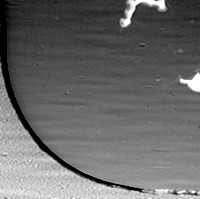
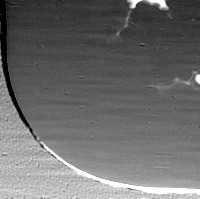
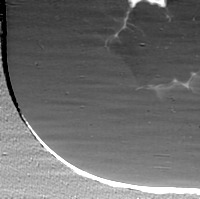
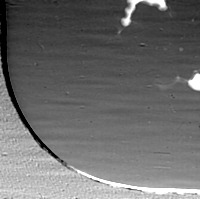
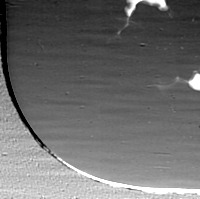
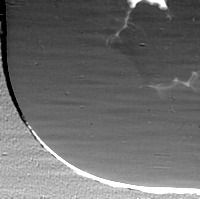
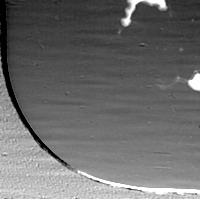
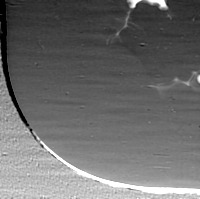
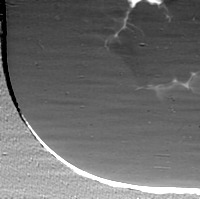

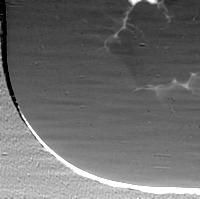

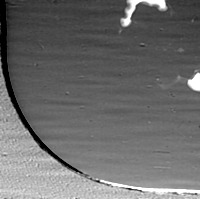

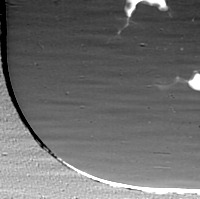
About shrinkage cavity_45C1 Dataset
Here are a few use cases for this project:
-
Quality Control in Manufacturing: Use "shrinkage cavity_45C1" to automatically inspect and identify shrinkage cavities in metals, plastics, or other materials during the manufacturing process. This helps ensure the structural integrity of produced parts and reduces the risk of defects in the final product.
-
Material Science Research: Implement "shrinkage cavity_45C1" as a tool in material analysis and research, helping researchers to identify and study the occurrence and types of shrinkage cavities in various materials, leading to a better understanding of their properties and potential improvements for industrial applications.
-
Restoration and Conservation of Artifacts: Utilize "shrinkage cavity_45C1" to analyze and identify shrinkage cavities in historical artifacts, such as pottery, sculptures, and metalwork. By understanding the extent of shrinkage-related deterioration, conservators can develop appropriate measures to restore and preserve these valuable items.
-
Geological and Environmental Analysis: Apply "shrinkage cavity_45C1" for the assessment of rock and soil samples in geological studies, aiding researchers in understanding the formation, composition, and history of various geological structures. Identifying shrinkage cavities in these samples may provide essential information on environmental factors, such as water levels or chemical changes, that could impact the local ecosystem.
-
Educational Resource for Material Science Students: Incorporate "shrinkage cavity_45C1" into material science curricula, allowing students to practice identifying shrinkage cavities in a variety of materials. This hands-on experience will help learners to better understand the concept of shrinkage cavities and their impact on the properties of different materials, preparing them for future careers in material science and engineering.
Use Free Shrinkage-cavity Detection API
Powered by general detection model
pip install inference-sdk# 1. Import the library
from inference_sdk import InferenceHTTPClient
# 2. Connect to your workspace
client = InferenceHTTPClient(
api_url="https://serverless.roboflow.com",
api_key="API_KEY"
)
# 3. Run your workflow on an image
result = client.run_workflow(
workspace_name="<YOUR_WORKSPACE>",
workflow_id="<YOUR_WORKFLOW_ID>",
images={
"image": "YOUR_IMAGE.jpg" # Path to your image file
},
parameters={
"classes": "shrinkage-cavity"
},
use_cache=True # cache workflow definition for 15 minutes
)
# 4. Get your results
print(result)Run on custom image
Drop an image here or click to upload
Tell the agent what you want to build.
Cite This Project
LicenseCC BY 4.0If you use this dataset in a research paper, please cite it using the following BibTeX:
@misc{ shrinkage-cavity_45c1_dataset,
  title = { shrinkage cavity_45C1 Dataset },
  type = { Open Source Dataset },
  author = { kooj },
  howpublished = { \url{ https://universe.roboflow.com/kooj/shrinkage-cavity_45c1 } },
  url = { https://universe.roboflow.com/kooj/shrinkage-cavity_45c1 },
  journal = { Roboflow Universe },
  publisher = { Roboflow },
  year = { 2022 },
  month = { jul },
  note = { visited on 2026-07-29 },
}