CapstoneDesign Computer Vision Model
How to use the CapstoneDesign Segmentation API
Try This Model
Drop an image here or click to upload
Code Snippets
from inference_sdk import InferenceHTTPClient

CLIENT = InferenceHTTPClient(
    api_url="https://serverless.roboflow.com",
    api_key="API_KEY"
)

result = CLIENT.infer("YOUR_IMAGE.jpg", model_id="capstonedesign/4")Or, Use Free Books and Labels Detection API
Powered by general detection model
pip install inference-sdk# 1. Import the library
from inference_sdk import InferenceHTTPClient
# 2. Connect to your workspace
client = InferenceHTTPClient(
api_url="https://serverless.roboflow.com",
api_key="API_KEY"
)
# 3. Run your workflow on an image
result = client.run_workflow(
workspace_name="<YOUR_WORKSPACE>",
workflow_id="<YOUR_WORKFLOW_ID>",
images={
"image": "YOUR_IMAGE.jpg" # Path to your image file
},
parameters={
"classes": "Books, Labels"
},
use_cache=True # cache workflow definition for 15 minutes
)
# 4. Get your results
print(result)Run on custom image
Drop an image here or click to upload













About CapstoneDesign Model
Here are a few use cases for this project:
-
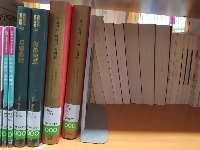
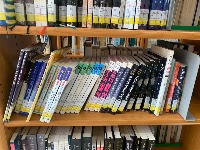
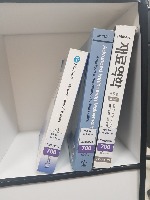
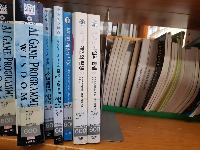
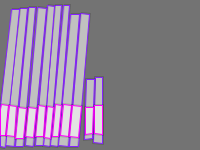
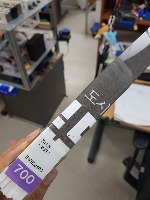
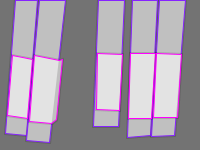
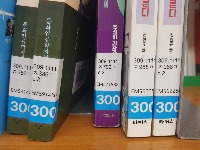
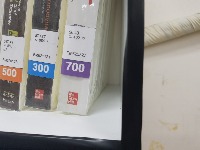
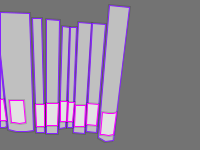
Library Automation: The "CapstoneDesign" computer vision model can be used to identify and classify books based on their labels in libraries. It can streamline the inventory process, speed up book arrangement, and locate misplaced books.
-
Retail Inventory Management: Bookstores can use this model to monitor their inventory by recognizing book labels, automating the replenishment and stock-taking processes.
-
Education & Research: The model can help students or researchers quickly scan through many books, identifying them by their labels. It can assist in locating specific study materials in an extensive collection of books.
-
Accessible Reading Solutions: The model can be used to develop applications for visually impaired individuals. It can identify the book and its label, and then vocalize the name to the user, assisting them in the selection process.
-
Digital Archiving: For digitization projects, the model can scan, recognize, and archive books based on their labels. It can make the digital archiving process faster and more efficient.
Tell the agent what you want to build.
Cite This Project
LicenseCC BY 4.0If you use this dataset in a research paper, please cite it using the following BibTeX:
@misc{ capstonedesign_dataset,
  title = { CapstoneDesign Dataset },
  type = { Open Source Dataset },
  author = { Hackathon },
  howpublished = { \url{ https://universe.roboflow.com/hackathon-z6jfr/capstonedesign } },
  url = { https://universe.roboflow.com/hackathon-z6jfr/capstonedesign },
  journal = { Roboflow Universe },
  publisher = { Roboflow },
  year = { 2023 },
  month = { oct },
  note = { visited on 2026-07-29 },
}